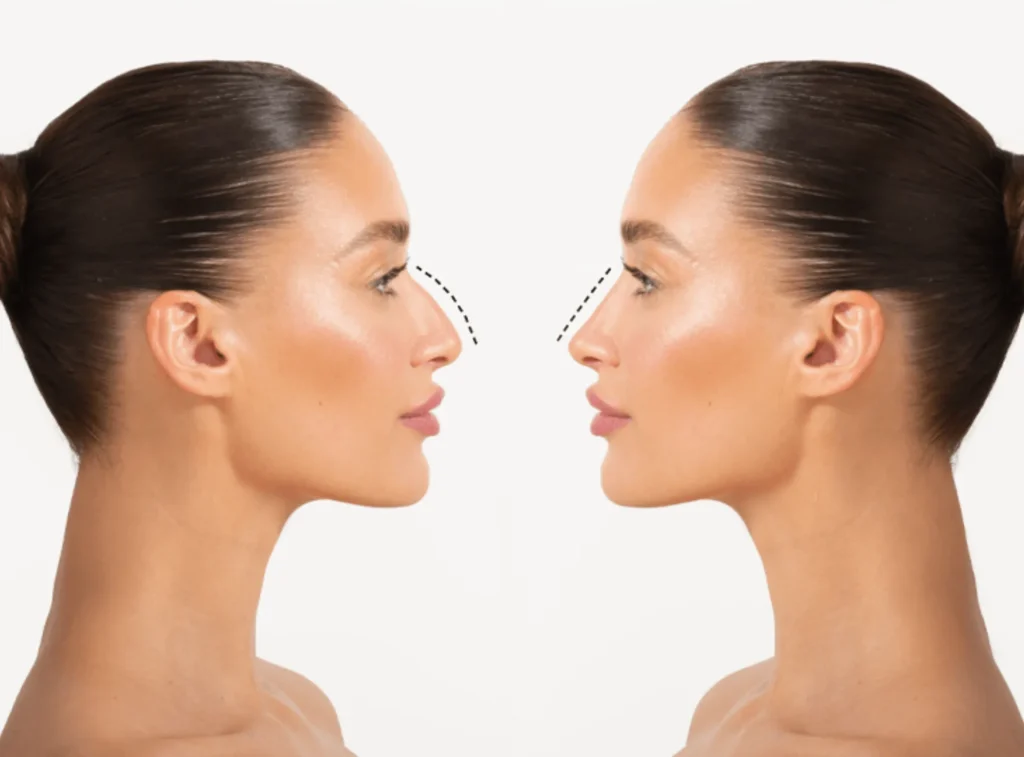
Before-and-after images are often the first point of reference for patients considering rhinoplasty. They offer a visual representation of what is possible—but they can also create unrealistic expectations if not properly understood.
Rhinoplasty is not about replicating someone else’s result. It is about achieving a transformation that is proportionate, natural, and tailored to the individual.
The Role of Before and After Images
High-quality before-and-after galleries serve several purposes:
- Demonstrate surgical skill
- Show consistency of results
- Provide insight into a surgeon’s aesthetic style
However, they should be viewed as examples, not guarantees.
What Makes a “Good” Rhinoplasty Result?
A successful outcome is defined by:
- Facial harmony
- Natural appearance
- Structural integrity
- Long-term stability
The best results are often the least obvious.
Why Every Result Is Different
No two patients share the same:
- Bone structure
- Skin thickness
- Healing response
This means outcomes will always vary.
Timeline of Visible Results
Patients should understand that:
- Immediate results are distorted by swelling
- Early improvements appear within weeks
- Final refinement takes up to a year or more
Managing Expectations
Unrealistic expectations are one of the leading causes of dissatisfaction.
Patients should avoid:
- Expecting perfection
- Comparing their results to others
- Judging outcomes too early
The Importance of Surgeon Selection
Before-and-after images are only meaningful when:
- They are consistent
- They represent a range of cases
- They align with your aesthetic goals
Final Thoughts
Before-and-after transformations can be powerful—but they must be understood in context.
The goal is not to copy a result, but to achieve one that feels authentic and balanced.