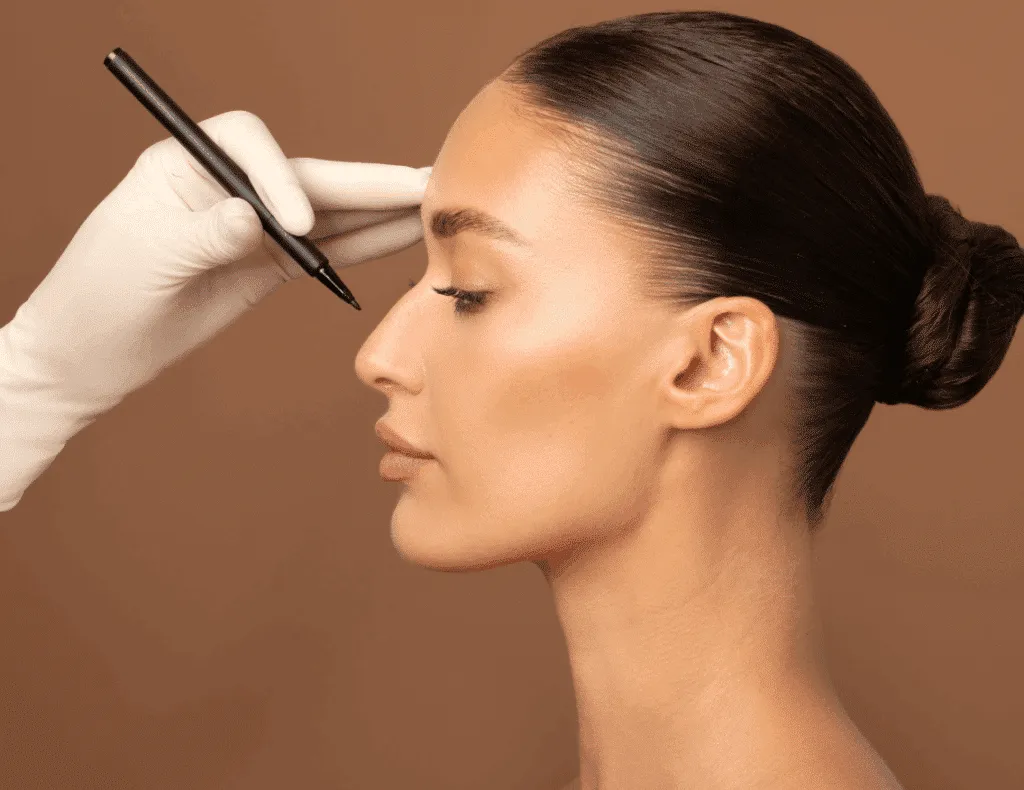
One of the most common concerns for patients considering facelift surgery is recovery.
How long does it take?
When will swelling go down?
When can you return to normal life?
The reality is that facelift recovery is a gradual, structured process, and understanding each phase helps set realistic expectations and improves overall outcomes.
This guide breaks down the facelift recovery timeline day by day, week by week, so you know exactly what to expect.
Day 1–3: Immediate Post-Surgery Phase
The first 72 hours are the most intensive part of recovery.
What to expect:
- Moderate swelling and bruising
- Tightness in the face and neck
- Mild discomfort (usually well managed with medication)
- Dressings or bandages applied
Most patients feel better than expected, but you will need to rest and limit movement.
Key focus:
- Keep your head elevated
- Avoid any physical strain
- Follow all aftercare instructions carefully
Day 4–7: Early Healing Begins
This is when visible signs of surgery peak.
Common experiences:
- Swelling reaches its highest point
- Bruising becomes more noticeable
- Mild numbness or tightness
- Stitches may still be in place
You may still look “post-surgical” during this stage, which is completely normal.
Progress markers:
- Discomfort continues to decrease
- Mobility improves slightly
- Some patients begin short walks
Week 2: Visible Improvement
By the second week, most patients begin to feel more like themselves.
What changes:
- Swelling starts to reduce
- Bruising begins to fade
- Stitches are usually removed
- Facial contours become more defined
At this stage:
- Light daily activities are typically resumed
- Many patients feel comfortable being seen socially (with makeup if needed)
Week 3–4: Social Recovery Phase
This is where most patients re-enter normal life.
Key developments:
- Significant reduction in swelling
- Bruising mostly resolved
- Skin begins to settle naturally
You may still notice:
- Minor swelling (especially in the morning)
- Slight tightness
But overall, you will look refreshed rather than “operated on.”
Months 2–3: Refinement Phase
This is where results begin to truly show.
What happens:
- Residual swelling continues to fade
- Facial definition improves
- Scars begin to soften and mature
By this stage, most people:
- Have fully returned to normal routines
- Feel confident in their appearance
- See clear improvement in facial structure
6 Months: Final Results
At around six months, your facelift results are typically considered fully settled.
Final outcome includes:
- Natural facial movement
- Defined jawline and contours
- Minimal visible scarring
This is when the quality of the surgery becomes fully apparent.
What Can Affect Recovery Time?
Not all recoveries are identical.
Key factors include:
- Surgical technique (deep plane vs SMAS vs mini facelift)
- Surgeon skill and approach
- Age and skin quality
- Overall health
- Smoking and lifestyle habits
More advanced techniques may involve slightly longer recovery—but often produce superior results.
What to Avoid During Recovery
To ensure optimal healing:
- Avoid strenuous exercise for at least 3–4 weeks
- Do not smoke (this significantly delays healing)
- Avoid excessive sun exposure
- Do not rush back into social or work commitments too early
Ignoring these can compromise your results.
Tips for a Faster, Smoother Recovery
Patients who recover best tend to follow a structured approach:
- Sleep with your head elevated
- Stay hydrated
- Eat nutrient-dense foods
- Follow your surgeon’s aftercare instructions strictly
- Attend all follow-up appointments
Recovery is not just about time—it’s about discipline.
When Can You Return to Work?
This depends on the individual and type of work:
- Remote work: 7–10 days
- Office work: 2–3 weeks
- Public-facing roles: 3–4 weeks
If your role involves visibility or interaction, allow extra time.
When Can You Exercise Again?
- Light walking: after 1 week
- Moderate activity: after 3–4 weeks
- Intense exercise: after 5–6 weeks
Always follow your surgeon’s specific guidance.
Choosing the Right Surgeon Matters
Recovery is heavily influenced by surgical precision.
Highly experienced surgeons—such as Steven Pearlman—use refined techniques that minimise trauma and support smoother healing.
This is one of the biggest differences between average and elite outcomes.
Final Thoughts
Facelift recovery is not instant—but it is predictable.
Most patients:
- Look socially presentable within 2–3 weeks
- See significant improvement within 1–2 months
- Achieve final results by 6 months
Understanding this timeline allows you to plan properly and avoid unnecessary stress during the healing process.