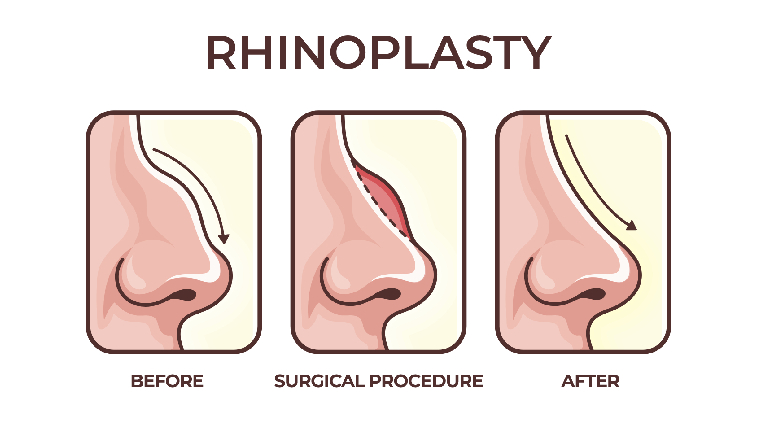
Rhinoplasty is one of the most sought-after—and most variable—procedures in aesthetic surgery when it comes to cost.
Prices can range dramatically depending on the surgeon, location, and complexity of the case. However, focusing solely on price can be misleading.
For discerning patients, the real question is not “How much does rhinoplasty cost?” but rather:
“What am I paying for—and what level of expertise am I investing in?”
Average Cost of Rhinoplasty
While prices vary globally, general ranges are:
United Kingdom (Private)
- £6,000 – £12,000+
United States
- $8,000 – $20,000+
Europe
- €4,000 – €10,000+
Revision Rhinoplasty
- Often significantly higher due to complexity
These figures reflect private, high-quality care—not budget or high-volume clinics.
What Determines the Cost?
1. Surgeon Expertise
Highly experienced surgeons—particularly those specialising in rhinoplasty—command higher fees.
This reflects:
- Skill level
- Consistency of results
- Demand
2. Complexity of the Procedure
Costs increase with:
- Structural work
- Revision cases
- Functional corrections
3. Clinic and Facility Fees
Premium clinics charge more due to:
- Location
- Facilities
- Staff expertise
4. Anaesthesia and Operating Time
Longer, more complex surgeries require:
- Specialist anaesthetists
- Extended theatre time
Why Cheaper Is Not Better
Rhinoplasty is not a commodity—it is a highly specialised procedure.
Lower-cost options often involve:
- Less experienced surgeons
- High-volume clinics
- Shorter consultation times
- Limited aftercare
This can increase the risk of:
- Unsatisfactory results
- Functional issues
- Need for revision surgery
The True Cost of Revision
Choosing a surgeon based on price alone can lead to significantly higher long-term costs.
Revision rhinoplasty often:
- Costs more than the original surgery
- Is more complex
- Requires greater expertise
In many cases, patients end up paying twice—financially and emotionally.
What You Are Actually Paying For
When investing in rhinoplasty, you are paying for:
Surgical Expertise
The ability to balance function and aesthetics with precision.
Judgment
Knowing what to change—and what to leave untouched.
Consistency
Reliable, natural-looking outcomes across patients.
Aftercare
Support throughout the recovery process.
Geographic Influence on Pricing
Costs vary depending on location, but higher prices do not always guarantee better results.
Some patients consider travelling abroad for surgery, but this introduces additional considerations:
- Continuity of care
- Post-operative support
- Travel-related risks
Is Rhinoplasty Ever Covered by Insurance?
In some cases, functional rhinoplasty may be partially covered if it addresses:
- Breathing issues
- Deviated septum
However, purely cosmetic procedures are typically not covered.
Financing Options
Many clinics offer:
- Payment plans
- Financing arrangements
While these can make surgery more accessible, they should not influence surgeon selection.
How to Evaluate Value
Instead of focusing on price alone, patients should assess:
- Surgeon’s portfolio
- Experience with similar cases
- Approach to structural and functional considerations
- Reputation and patient outcomes
Red Flags When Considering Cost
- Prices significantly below market average
- Lack of transparency in pricing
- Pressure to commit quickly
- Limited consultation time
Final Thoughts: Invest in Expertise, Not Just the Procedure
Rhinoplasty is one of the few procedures where the margin for error is exceptionally small—and the consequences of poor decisions can be long-lasting.
The cost reflects more than the surgery itself. It reflects:
- The surgeon’s expertise
- The quality of care
- The likelihood of achieving a refined, lasting result
For patients seeking excellence, the focus should always be on value, not price.