Rhinoplasty, commonly referred to as a “nose job,” is one of the most requested cosmetic surgical procedures worldwide. While many patients initially consider rhinoplasty for aesthetic reasons, the procedure can also address structural issues that affect breathing and nasal function. For this reason, rhinoplasty sits at the intersection of cosmetic enhancement and functional surgery.
Understanding the procedure in depth is essential before deciding whether surgery is appropriate. Patients must consider not only the aesthetic changes they hope to achieve but also the complexity of nasal anatomy, the importance of surgeon expertise, and the realities of recovery.
This guide explores the key aspects of rhinoplasty, including how the procedure works, who is a suitable candidate, what results patients can expect, and how to select a qualified surgeon.
What Is Rhinoplasty?
Rhinoplasty is a surgical procedure designed to reshape or reconstruct the nose. It can modify both the external appearance and internal structure of the nose.
Patients commonly pursue rhinoplasty to address concerns such as:
- A prominent dorsal hump
- A crooked or asymmetrical nose
- A bulbous nasal tip
- A nose that appears too large or too small in relation to the face
- Structural problems affecting breathing
Because the nose sits at the centre of the face, even small adjustments can significantly influence facial balance. The goal of modern rhinoplasty is rarely dramatic transformation. Instead, the most respected surgeons aim to achieve results that appear natural and harmonious with the rest of the patient’s features.
Cosmetic vs Functional Rhinoplasty
Rhinoplasty procedures generally fall into two categories.
Cosmetic Rhinoplasty
Cosmetic rhinoplasty focuses on improving the appearance of the nose. Surgeons may reshape the nasal bridge, refine the tip, adjust the width of the nostrils, or alter the overall proportions of the nose.
Patients seeking cosmetic rhinoplasty often want subtle improvements rather than obvious changes. Modern surgical philosophy prioritises maintaining facial character while refining structural balance.
Functional Rhinoplasty
Functional rhinoplasty addresses breathing difficulties caused by structural issues inside the nose.
Common functional problems include:
- Deviated septum
- Collapsed nasal valves
- Congenital structural abnormalities
- Trauma-related damage
Many patients undergo a combined cosmetic and functional procedure, improving both the appearance of the nose and nasal airflow.
Who Is a Good Candidate for Rhinoplasty?
Not every patient seeking rhinoplasty is an ideal candidate for surgery. Responsible surgeons carefully assess both physical suitability and psychological expectations.
A good candidate typically meets the following criteria:
- The nose has finished developing (usually after age 16–18)
- The patient is in good overall health
- There are realistic expectations about results
- Concerns relate to structural issues that surgery can realistically address
Patients must also understand that rhinoplasty is a complex procedure with a long healing process. Final results can take many months to fully appear.
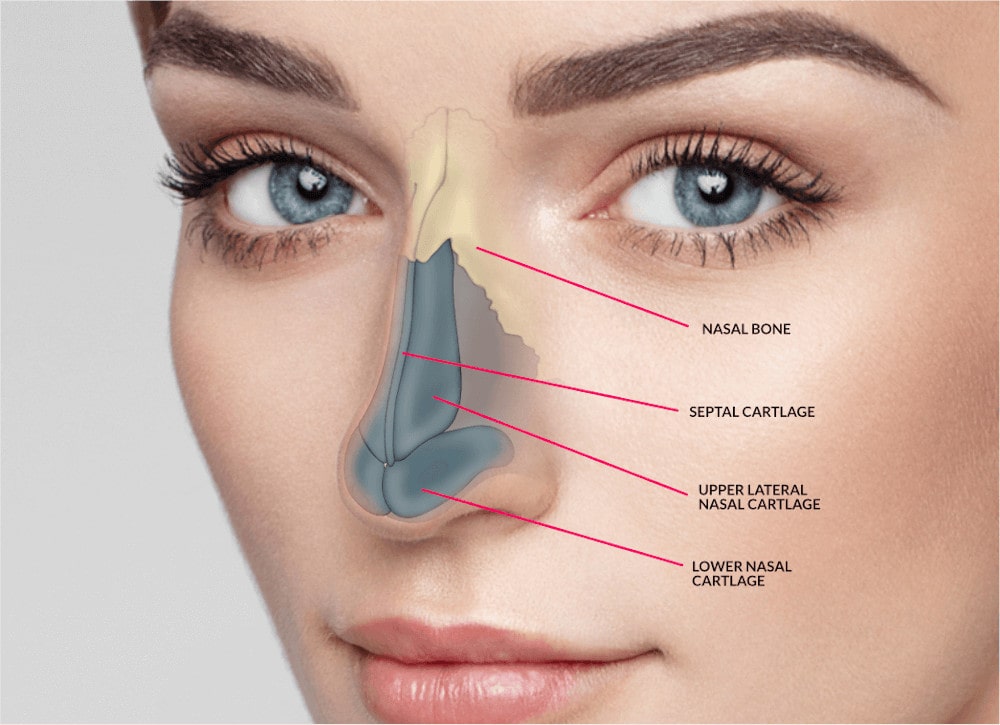
Understanding Nasal Anatomy
One of the reasons rhinoplasty is considered among the most technically demanding cosmetic procedures is the complexity of nasal anatomy.
The nose consists of several structures:
- Bone forming the upper bridge
- Cartilage shaping the tip and lower nose
- Soft tissue and skin covering the framework
- Internal nasal passages responsible for airflow
A skilled surgeon must modify these elements while preserving structural stability. Overly aggressive surgical techniques can compromise breathing or create unnatural appearances.
This is why surgeon expertise and experience are critical when considering rhinoplasty.
Types of Rhinoplasty Techniques
Surgeons typically perform rhinoplasty using one of two main approaches.
Open Rhinoplasty
In an open rhinoplasty procedure, the surgeon makes a small incision across the columella, the strip of tissue between the nostrils. This allows the nasal skin to be lifted, giving the surgeon full visibility of the underlying structures.
Advantages include:
- Greater precision for complex cases
- Improved visibility of cartilage structures
- Better control when performing major reshaping
The small incision usually heals extremely well and becomes barely visible over time.
Closed Rhinoplasty
Closed rhinoplasty involves making all incisions inside the nostrils, leaving no external scars.
Benefits include:
- Reduced swelling
- Faster recovery
- No visible external incision
However, this approach may not be suitable for more complex structural corrections.
The choice between open and closed rhinoplasty depends on the patient’s anatomy and the changes required.
The Consultation Process
The consultation is one of the most important stages in the rhinoplasty journey. During this appointment, the surgeon evaluates both the physical structure of the nose and the patient’s aesthetic goals.
A thorough consultation typically includes:
- Examination of nasal anatomy
- Discussion of desired changes
- Photographic analysis
- Assessment of breathing function
- Review of medical history
Many surgeons also use digital imaging technology to illustrate potential results. While these images cannot guarantee outcomes, they help patients visualise possible changes.
This stage is also when patients should ask detailed questions about the surgeon’s experience, techniques, and complication rates.
Preparing for Rhinoplasty Surgery
Preparation is essential for a safe and successful surgical experience.
Surgeons typically advise patients to:
- Stop smoking several weeks before surgery
- Avoid blood-thinning medications
- Arrange time off work
- Prepare recovery supplies at home
- Arrange transportation following the procedure
Rhinoplasty is usually performed under general anaesthesia in a hospital or accredited surgical facility.
The procedure generally takes between one and three hours, depending on the complexity of the case.
The Recovery Process
Recovery from rhinoplasty occurs in stages.
First Week
Immediately after surgery, patients can expect swelling, bruising, and mild discomfort. A nasal splint is typically worn during the first week to support the new nasal structure.
Bruising around the eyes is common but gradually fades.
Weeks Two to Four
Most visible bruising resolves during this period. Many patients feel comfortable returning to work or social activities within two weeks.
However, swelling remains present and continues to reduce gradually.
Long-Term Healing
Although initial improvements appear within weeks, final results can take up to a year to fully develop. Nasal tissues require time to settle and refine following structural changes.
Patients must exercise patience during this phase.
Risks and Potential Complications
As with any surgical procedure, rhinoplasty carries potential risks.
Possible complications include:
- Infection
- Bleeding
- Breathing difficulties
- Asymmetry
- Need for revision surgery
Choosing a highly qualified surgeon significantly reduces these risks. Surgeons with extensive rhinoplasty experience are better equipped to manage complex nasal anatomy and avoid complications.
Revision Rhinoplasty
In some cases, patients may require revision rhinoplasty to correct previous surgical outcomes.
Revision procedures are typically more complex than primary rhinoplasty because scar tissue and altered anatomy must be addressed.
Patients seeking revision surgery should look for surgeons who specialise specifically in complex nasal reconstruction.
How to Choose a Rhinoplasty Surgeon
Selecting the right surgeon is arguably the most important decision in the rhinoplasty process.
Patients should prioritise:
- Board certification in plastic or facial plastic surgery
- Extensive rhinoplasty experience
- Consistent, natural-looking results
- Strong patient testimonials
- Transparent communication during consultation
It is also important to review before-and-after photographs of previous patients. This helps assess the surgeon’s aesthetic approach and consistency.
Patients should never feel pressured to proceed with surgery and should take time to consult multiple surgeons if necessary.
Understanding the Cost of Rhinoplasty
The cost of rhinoplasty varies depending on several factors.
These include:
- Surgeon expertise
- Clinic location
- Complexity of the procedure
- Hospital and anaesthesia fees
High-quality rhinoplasty performed by leading specialists typically represents a significant investment. However, patients should be cautious of unusually low prices, as surgical expertise and safety standards should always take priority.
Psychological Considerations
Rhinoplasty can have a meaningful impact on self-confidence, but it is important that patients pursue surgery for the right reasons.
Surgery should never be viewed as a solution to deeper emotional or psychological challenges.
Responsible surgeons carefully evaluate patient motivations to ensure expectations are realistic and healthy.
The most successful outcomes occur when patients seek subtle refinements rather than dramatic transformation.
Final Thoughts
Rhinoplasty remains one of the most intricate procedures in aesthetic surgery. While it offers the potential to refine facial harmony and improve nasal function, it requires thoughtful decision-making and careful surgeon selection.
Patients considering rhinoplasty should approach the process with patience, research, and realistic expectations.
Consulting experienced surgeons, understanding the recovery process, and prioritising natural results are all essential steps toward achieving a successful outcome.
When performed by skilled specialists, rhinoplasty can provide balanced, refined improvements that enhance facial harmony while preserving each patient’s unique identity.