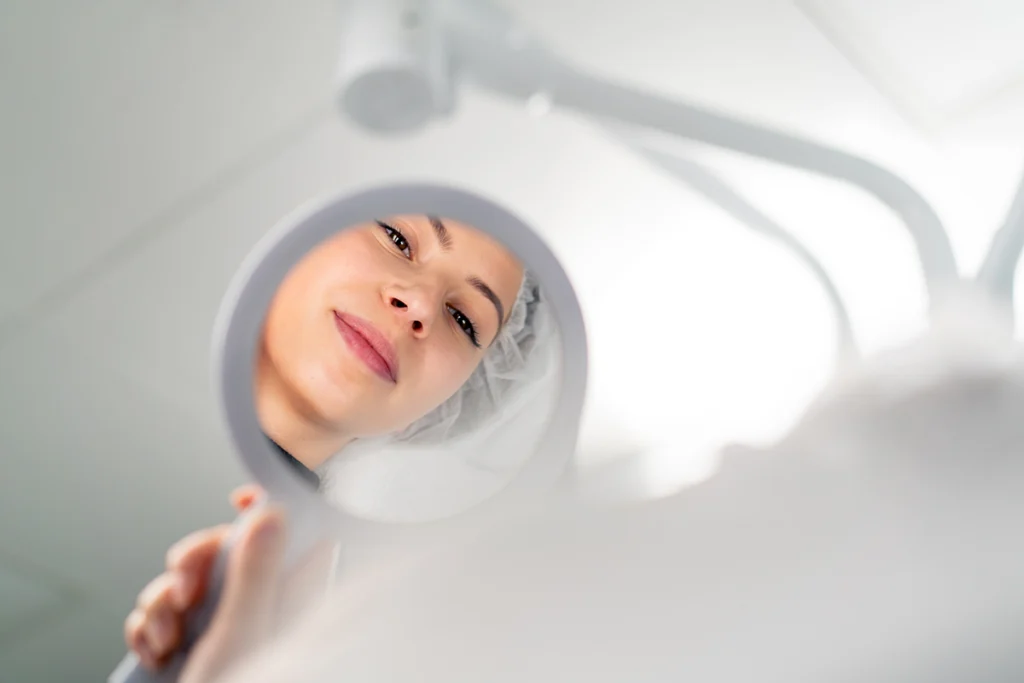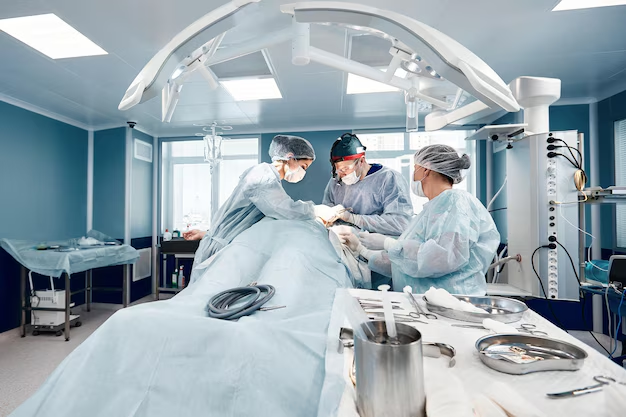
For patients considering cosmetic or reconstructive surgery, the environment in which a procedure takes place is an important part of the overall decision. While much of the attention understandably focuses on selecting the right surgeon, the setting of the procedure—whether in a private surgical clinic or a hospital—also plays a role in safety, comfort, privacy, and the overall patient experience.
Many leading plastic surgeons operate in both environments depending on the procedure being performed. However, private surgical clinics have become increasingly popular among patients seeking a more personalized and discreet surgical experience.
Understanding the differences between these settings can help patients make a more informed decision when planning a procedure.
The Evolution of Private Surgical Clinics
Over the past two decades, private surgical clinics have grown significantly in popularity, particularly in the field of aesthetic surgery. Advances in surgical techniques, anesthesia, and technology have allowed many procedures that once required hospital admission to be safely performed in specialized outpatient facilities.
These clinics are typically designed specifically for elective procedures and are equipped with operating rooms, recovery suites, and highly trained staff dedicated to aesthetic and reconstructive surgery.
Because they focus on a narrower range of procedures than large hospitals, private clinics are often able to create environments tailored specifically to the needs of surgical patients.
Safety Standards and Accreditation
Safety remains the most important consideration in any surgical procedure. Reputable private surgical clinics operate under strict medical standards and often maintain accreditation from recognized healthcare regulatory organizations.
Accreditation ensures that the facility meets defined requirements for:
- Surgical equipment and operating room standards
- Sterilization procedures
- Emergency preparedness
- Anesthesia protocols
- Staff qualifications and training
Many private clinics maintain the same safety protocols found in hospital operating theatres. In some cases, surgeons may also maintain admitting privileges at nearby hospitals should additional care ever become necessary.
Patients should always verify that a clinic is fully accredited and that the surgical team includes qualified anesthesia professionals.
A More Personalized Patient Experience
One of the most significant differences between private clinics and hospitals is the patient experience.
Hospitals are large institutions designed to treat a wide range of medical conditions. While they provide critical medical services, the environment is often busy and focused on urgent care needs.
Private surgical clinics, by contrast, are typically designed around a smaller number of patients undergoing planned procedures. This allows the medical team to offer a more personalized level of attention before, during, and after surgery.
Patients often find that consultations are more detailed, appointments are less rushed, and recovery spaces are quieter and more comfortable.
For individuals who value privacy and individualized care, this setting can make the overall experience feel far less clinical.
Privacy and Discretion
Privacy is a major consideration for many patients seeking aesthetic surgery, particularly for professionals, public figures, or individuals who simply prefer discretion regarding medical decisions.
Private surgical clinics often place a strong emphasis on confidentiality. Facilities may offer private entrances, discreet waiting areas, and smaller patient volumes that reduce exposure to other individuals within the clinic.
In contrast, hospitals are high-traffic environments where patients may interact with numerous departments and staff members throughout the course of a visit.
While hospitals maintain strict privacy regulations, the scale of the environment can make the experience feel less discreet than a specialized clinic.
Efficiency and Scheduling Flexibility
Because private clinics focus on elective procedures, they are often able to schedule surgeries more efficiently than hospitals.
Hospital operating rooms must accommodate a wide range of medical procedures, including emergency surgeries that can disrupt planned schedules. As a result, cosmetic procedures scheduled in hospital settings may occasionally be delayed or rescheduled due to urgent medical cases.
Private surgical facilities generally operate on carefully managed schedules designed specifically for elective procedures. This often results in shorter waiting times for surgery and more predictable scheduling for patients.
For individuals balancing busy professional or personal schedules, this level of efficiency can be particularly valuable.
Recovery Environment
Recovery is an important phase of the surgical process, and the environment in which patients recover can influence overall comfort and peace of mind.
Private clinics frequently offer recovery suites designed to resemble boutique hotel accommodations more than traditional hospital wards. These spaces are quieter, more private, and typically staffed by nurses experienced in post-operative care for cosmetic surgery patients.
Patients often report feeling more relaxed recovering in a calm, controlled environment rather than in the busy atmosphere of a hospital recovery unit.
However, it is important to note that some procedures requiring overnight medical monitoring may still be best performed within hospital settings where additional resources are immediately available.
When Hospitals Are the Better Choice
Despite the many advantages of private surgical clinics, hospitals remain the appropriate setting for certain procedures and patients.
Complex surgeries, procedures requiring extended monitoring, or operations involving significant medical risk may benefit from the resources available within a hospital system. Hospitals have immediate access to specialized medical teams and equipment that may be necessary for complex cases.
Many experienced plastic surgeons evaluate each patient individually to determine the safest and most appropriate surgical environment.
In these cases, patient safety always takes priority over convenience or preference.
The Role of the Surgeon
Regardless of the setting, the surgeon remains the most important factor in determining the success of a procedure.
Experienced surgeons select surgical facilities that meet strict safety standards and maintain teams of qualified medical professionals. They also consider the complexity of the procedure and the patient’s health profile when recommending where surgery should take place.
Patients should feel comfortable discussing these considerations with their surgeon during the consultation process.
Making the Right Choice
Choosing between a private clinic and a hospital is not simply a matter of preference. The decision should be based on the nature of the procedure, the patient’s health, and the surgeon’s professional recommendation.
For many elective cosmetic procedures, accredited private surgical clinics provide a safe, efficient, and highly personalized environment. These facilities are designed specifically to support the unique needs of aesthetic patients, often offering a level of privacy and comfort that hospitals cannot easily replicate.
At the same time, hospitals remain an essential part of surgical care, particularly for complex procedures requiring additional medical resources.
Patients who take the time to understand these differences—and who work with experienced, reputable surgeons—can approach surgery with greater confidence and clarity.
Ultimately, the goal is the same in either setting: to ensure that every procedure is performed with the highest standards of safety, professionalism, and patient care.