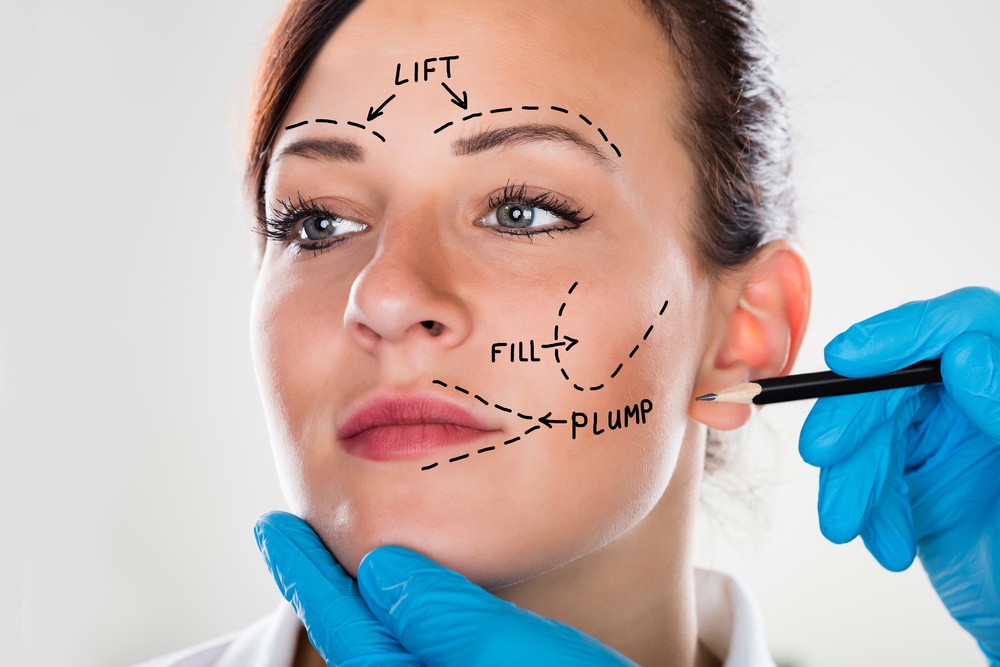
Facelift surgery remains one of the most effective procedures for restoring a more youthful appearance to the face. As the ageing process gradually affects the skin, muscles, and deeper facial structures, many individuals begin to notice sagging skin, loss of definition along the jawline, and deeper folds around the nose and mouth.
While non-surgical treatments such as fillers and skin tightening procedures can provide temporary improvements, they cannot fully correct the structural changes that occur as the face ages. A well-performed facelift addresses these deeper changes by repositioning tissues and restoring facial contours in a way that looks natural and balanced.
Today’s facelift procedures are very different from the overly tight or artificial results sometimes associated with earlier techniques. Modern surgical approaches prioritise subtle rejuvenation, focusing on restoring the face to a refreshed version of itself rather than dramatically altering a patient’s appearance.
This guide explains how facelift surgery works, who is a suitable candidate, what patients can expect from the procedure, and how to choose a qualified surgeon.
Understanding the Ageing Face
Ageing affects multiple layers of the face, not just the skin.
Several factors contribute to visible facial ageing:
- Loss of collagen and skin elasticity
- Descent of facial fat pads
- Weakening of facial ligaments
- Bone resorption in the jaw and cheekbones
- Thinning of the skin
As these changes occur, the face gradually loses the youthful contours that once defined it. The jawline may soften, jowls can develop, and deep folds may form between the nose and mouth.
A facelift is designed to correct these changes by repositioning the deeper tissues of the face rather than simply tightening the skin.
What Is a Facelift?
A facelift, medically known as rhytidectomy, is a surgical procedure that lifts and repositions the underlying tissues of the face to restore a more youthful appearance.
The procedure primarily targets:
- Sagging skin along the jawline
- Jowls
- Deep nasolabial folds
- Loose skin in the lower face
- Loss of definition between the neck and chin
During the surgery, a skilled surgeon lifts the deeper structures of the face and removes excess skin. This restores smoother contours while maintaining natural facial expression.
A well-performed facelift should never make a patient look “different.” Instead, the goal is to create a refreshed and rested appearance.
Types of Facelift Procedures
Facelift surgery is not a single standard procedure. Surgeons use different techniques depending on the patient’s age, anatomy, and desired outcome.
Traditional Facelift
A traditional facelift addresses moderate to advanced signs of ageing in the lower face and neck.
Incisions typically begin near the hairline at the temples, continue around the ear, and may extend into the lower scalp. Through these incisions, the surgeon lifts the underlying tissues and removes excess skin.
This technique allows for comprehensive correction of sagging skin and deeper facial structures.
SMAS Facelift
Many leading surgeons perform what is known as an SMAS facelift.
SMAS stands for Superficial Musculoaponeurotic System, a layer of tissue beneath the skin that supports the facial muscles.
Rather than tightening the skin alone, the surgeon lifts and repositions this deeper layer. This creates longer-lasting and more natural results.
Because the structural layer of the face is repositioned, the skin can be redraped without tension.
Deep Plane Facelift
The deep plane facelift is considered one of the most advanced facelift techniques.
This approach releases deeper facial ligaments and lifts the facial tissues as a unified structure. It can provide more significant rejuvenation of the midface and lower face.
When performed by experienced surgeons, deep plane facelifts can produce extremely natural results that restore youthful facial contours.
However, the technique is technically demanding and should only be performed by surgeons with extensive experience.
Mini Facelift
A mini facelift is a less invasive procedure designed for patients with early signs of ageing.
It focuses primarily on mild sagging around the jawline and lower face.
Mini facelifts involve smaller incisions and shorter recovery times. However, they are not suitable for individuals with significant skin laxity or advanced ageing.
Who Is a Good Candidate for a Facelift?
Facelift surgery is most commonly performed on individuals between their mid-40s and mid-60s, although age alone does not determine suitability.
Good candidates typically:
- Have visible sagging in the lower face or neck
- Are in good overall health
- Have realistic expectations
- Do not smoke or are willing to stop before surgery
Skin elasticity is also an important factor. Patients with healthy skin and good tissue quality tend to achieve the best results.
What Concerns a Facelift Can Address
A facelift is designed to improve several common signs of facial ageing.
These include:
- Jowls along the jawline
- Loose skin on the lower face
- Deep creases around the mouth
- Sagging cheeks
- Loss of jawline definition
However, a facelift does not typically correct:
- Forehead wrinkles
- Eyelid sagging
- Skin texture or pigmentation
For these concerns, surgeons may recommend additional procedures such as eyelid surgery, brow lifts, or skin resurfacing treatments.
The Consultation Process
A consultation with a qualified surgeon is the first step in planning a facelift procedure.
During this appointment, the surgeon will evaluate:
- Facial structure
- Skin elasticity
- Degree of tissue sagging
- Medical history
- Patient goals and expectations
Photographs may be taken to help assess facial proportions and plan the surgical approach.
Patients should use this opportunity to ask detailed questions about:
- The surgeon’s experience
- Surgical techniques used
- Recovery expectations
- Potential risks
A good consultation should feel thorough and unhurried.
Preparing for Surgery
Proper preparation is essential for a safe surgical experience and smooth recovery.
Patients may be advised to:
- Stop smoking several weeks before surgery
- Avoid blood-thinning medications
- Maintain good hydration and nutrition
- Arrange time off work for recovery
- Prepare post-surgery support at home
Facelift surgery is usually performed under general anaesthesia in a hospital or accredited surgical facility.
The procedure typically takes several hours depending on the complexity of the surgery.
Recovery After a Facelift
Recovery from facelift surgery occurs gradually and varies from patient to patient.
First Week
Patients may experience swelling, bruising, and mild discomfort. Bandages are usually applied immediately after surgery to support healing.
Some surgeons place small drainage tubes to remove excess fluid during the first day or two.
Weeks Two to Three
Most visible bruising fades during this period. Many patients begin returning to normal social activities.
Swelling continues to decrease, and facial contours start to appear more defined.
Long-Term Healing
Although patients often look presentable after a few weeks, final results can take several months to fully emerge.
The facial tissues continue to settle and refine over time.
Potential Risks and Complications
As with any surgical procedure, facelift surgery carries certain risks.
Possible complications include:
- Infection
- Bleeding
- Nerve injury
- Scarring
- Prolonged swelling
Choosing a highly qualified and experienced surgeon significantly reduces the likelihood of complications.
Patients should always ensure their procedure is performed in a fully accredited medical facility.
Combining a Facelift with Other Procedures
Many patients combine facelift surgery with additional procedures to achieve more comprehensive facial rejuvenation.
Common combinations include:
- Eyelid surgery (blepharoplasty)
- Neck lift
- Fat grafting
- Laser skin resurfacing
- Brow lift
These procedures can enhance overall facial balance and improve the final result.
Longevity of Facelift Results
A facelift does not stop the ageing process, but it can turn back the clock significantly.
Results typically last 10 to 15 years, depending on factors such as:
- Skin quality
- Lifestyle habits
- Sun exposure
- Genetics
Maintaining healthy skincare routines and protecting the skin from sun damage can help prolong the results.
Choosing the Right Surgeon
Selecting the right surgeon is the most important decision in facelift surgery.
Patients should prioritise surgeons who:
- Specialise in facial surgery
- Have extensive facelift experience
- Demonstrate natural results in before-and-after photos
- Provide transparent consultations
- Operate in accredited facilities
A surgeon’s artistic judgment is just as important as technical skill. The best facelift surgeons aim for subtle refinement that preserves the patient’s natural identity.
Final Thoughts
Facelift surgery remains one of the most powerful procedures for restoring youthful facial contours. When performed by skilled specialists using modern techniques, the results can be both natural and long-lasting.
However, successful outcomes depend on careful planning, realistic expectations, and choosing an experienced surgeon.
Patients considering facelift surgery should take time to research the procedure thoroughly, consult reputable surgeons, and understand the full recovery process.
When approached thoughtfully, facelift surgery can provide a refreshed appearance that enhances confidence while preserving the unique character of the face.