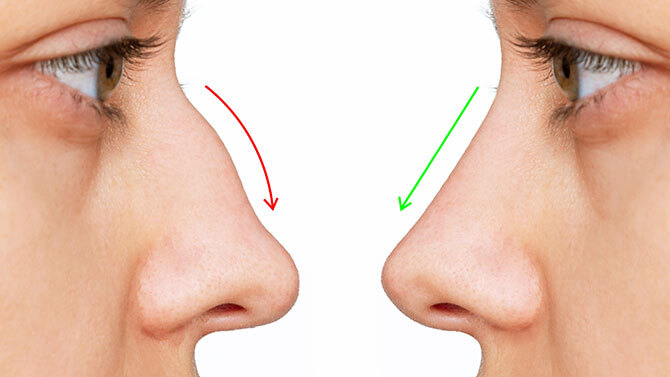
Ethnic rhinoplasty is one of the most specialised areas within facial plastic surgery. It requires not only technical expertise but also cultural awareness, aesthetic sensitivity, and restraint.
Unlike traditional rhinoplasty approaches that often aimed to standardise nasal features, modern ethnic rhinoplasty is centred on preservation rather than transformation.
The objective is clear: enhance the nose while maintaining the patient’s unique identity.
What Is Ethnic Rhinoplasty?
Ethnic rhinoplasty refers to nasal surgery performed on patients of diverse ethnic backgrounds, where anatomical characteristics and aesthetic goals differ from traditional Western norms.
This includes patients of:
- African descent
- Asian descent
- Middle Eastern heritage
- Hispanic or Latin backgrounds
Each group presents distinct nasal structures, including differences in:
- Skin thickness
- Cartilage strength
- Nasal width
- Bridge height
- Tip definition
The Shift in Surgical Philosophy
Historically, rhinoplasty often aimed to “Westernise” the nose—narrowing, lifting, or reshaping features to fit a specific aesthetic ideal.
This approach is now widely considered outdated.
Modern ethnic rhinoplasty focuses on:
- Enhancing natural features
- Maintaining cultural identity
- Avoiding over-refinement
- Achieving harmony with the rest of the face
Key Anatomical Considerations
Thicker Skin
Many ethnic noses have thicker skin, particularly at the tip. This affects:
- Definition
- Swelling duration
- Surgical technique
Weaker Cartilage Structure
Some patients have softer or weaker cartilage, requiring:
- Structural grafting
- Reinforcement techniques
Lower Nasal Bridge
In certain populations, the nasal bridge may be flatter, requiring:
- Augmentation rather than reduction
Wider Nasal Base
Base narrowing may be considered, but must be done conservatively to avoid unnatural results.
Common Goals in Ethnic Rhinoplasty
While goals vary widely, common requests include:
- Improved tip definition
- Subtle bridge enhancement
- Reduction of nostril flare
- Better facial balance
The key word is subtlety.
Why Ethnic Rhinoplasty Is More Complex
This is not a standard rhinoplasty with minor adjustments. It requires:
- A tailored surgical plan for each patient
- Advanced grafting techniques
- Deep understanding of different nasal anatomies
- A conservative aesthetic approach
Mistakes in ethnic rhinoplasty are often more noticeable and more difficult to correct.
The Role of Structural Techniques
Ethnic rhinoplasty frequently overlaps with structural rhinoplasty.
Because of weaker cartilage or thicker skin, surgeons often need to:
- Build support rather than remove tissue
- Use cartilage grafts to shape and define
- Reinforce the nasal tip
This is why surgeon selection is critical.
Cultural Sensitivity in Aesthetic Decisions
One of the most overlooked aspects is the importance of cultural awareness.
Patients are not simply asking for a “better nose”—they are asking for a refined version of their existing features.
A skilled surgeon understands:
- What should be changed
- What must be preserved
- What defines the patient’s identity
Overcorrection can lead to a loss of ethnic character, which many patients deeply regret.
Open vs Closed Ethnic Rhinoplasty
Most ethnic rhinoplasty procedures are performed using an open approach, allowing:
- Greater visibility
- Precise graft placement
- Better structural control
Recovery Considerations
Recovery can be slightly longer due to:
- Thicker skin
- More extensive structural work
Patients should expect:
- Prolonged swelling, especially in the tip
- Gradual refinement over several months
- Final results taking up to a year or more
Choosing the Right Surgeon
This is where standards must be exceptionally high.
You are not looking for a generalist—you are looking for a surgeon with:
- Proven experience in ethnic rhinoplasty
- A portfolio showing natural, diverse results
- A conservative aesthetic style
- Understanding of structural techniques
What to Look For
- Before and afters that retain identity
- No “copy-paste” noses
- Clear explanation of approach
- Emphasis on balance, not transformation
What to Avoid
- Overly narrow or over-rotated results
- Surgeons who dismiss cultural considerations
- Lack of experience with diverse patients
The Importance of Individualisation
No two patients are the same, even within the same ethnic group.
A refined approach considers:
- Facial proportions
- Skin characteristics
- Personal aesthetic goals
- Cultural background
This is not a procedure that should ever feel standardised.
Final Thoughts: Refinement Without Erasure
Ethnic rhinoplasty, when performed at the highest level, is one of the most sophisticated procedures in aesthetic surgery.
It requires restraint, precision, and respect.
The goal is not to create a different face—but to reveal a more balanced version of the one already there.
For patients, this means choosing a surgeon who understands that beauty is not defined by uniformity, but by individuality.
And for platforms like The Surgical Collective, this is exactly the standard that should define who is featured—and who is not.