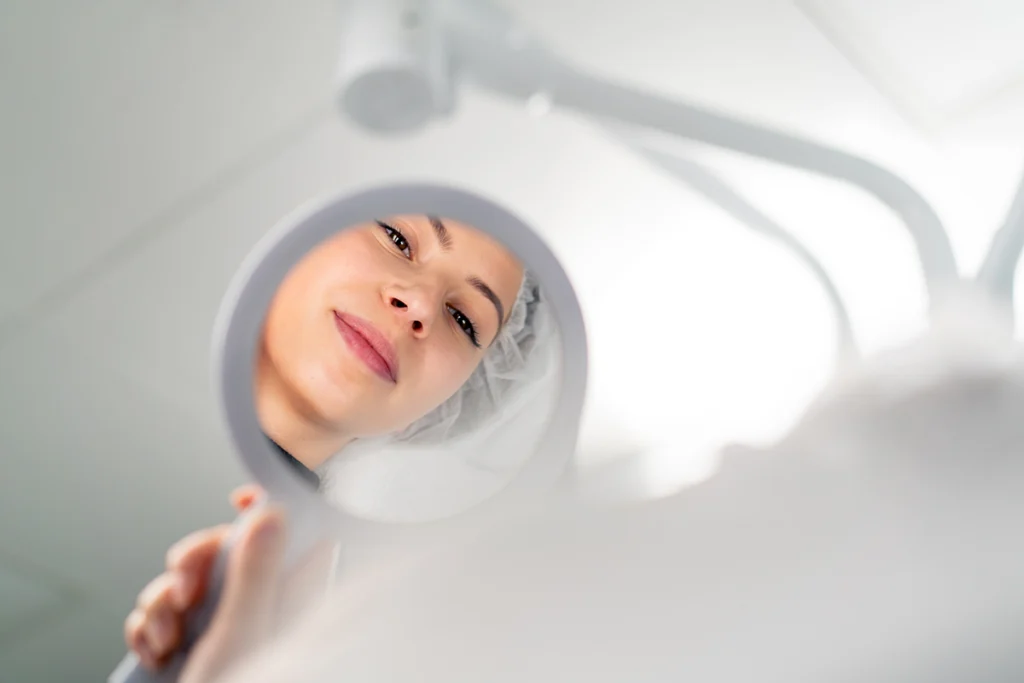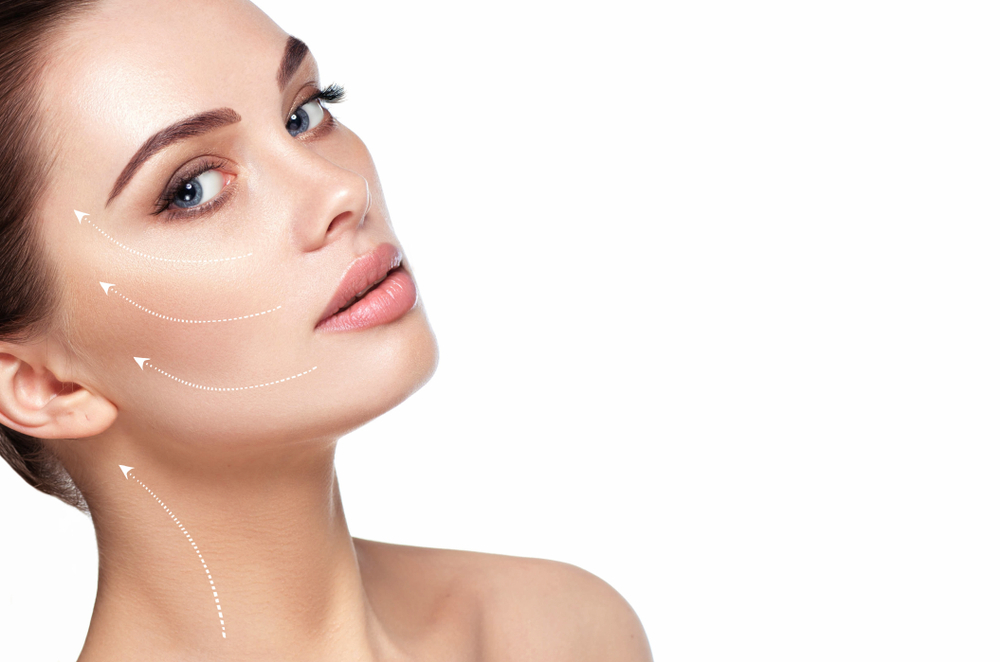
One of the most significant changes in aesthetic medicine over the past decade has been the growing preference for subtle, natural-looking results. Patients are increasingly seeking refinement rather than dramatic transformation, aiming to enhance their features while preserving their individuality.
This shift reflects a deeper psychological understanding of beauty and identity.
Natural-looking cosmetic surgery is not simply a technical achievement. It is the result of careful planning, aesthetic judgment, and a clear understanding of patient motivations.
The Desire for Authenticity
In many cases, patients pursue cosmetic procedures to address specific concerns rather than to change their overall appearance. These concerns may include facial aging, asymmetry, or features that have long influenced personal confidence.
However, most individuals do not want to look like a different person. They want to look like a refreshed or improved version of themselves.
This desire for authenticity has led to greater emphasis on surgical techniques that respect natural anatomy and maintain facial harmony.
Surgeons who prioritize these principles often develop reputations for producing results that are elegant rather than obvious.
Social Perception and Subtlety
Human perception of beauty is strongly influenced by balance and proportion. When cosmetic procedures are performed with restraint, they enhance these natural qualities without drawing attention to the intervention itself.
Subtle results often create a psychological advantage for patients. Friends and colleagues may notice that a person appears well-rested or healthier without immediately identifying that surgery has taken place.
This allows patients to enjoy the benefits of cosmetic enhancement while maintaining privacy and confidence.
Overly aggressive procedures, on the other hand, can disrupt facial harmony and lead to results that feel artificial.
The Role of Surgeon Judgment
Achieving natural results requires more than technical skill. It also requires aesthetic judgment.
Experienced surgeons evaluate facial structure, skin quality, and proportion before recommending any procedure. Rather than focusing on a single feature, they consider how each adjustment will influence the overall balance of the face or body.
This holistic perspective helps ensure that surgical changes complement existing features rather than overpower them.
In many cases, the best surgical decision may involve performing less intervention rather than more.
Managing Patient Expectations
A critical part of producing natural-looking results is managing expectations during the consultation process. Patients may arrive with reference images or specific goals, but those goals must be evaluated within the context of their individual anatomy.
Ethical surgeons guide patients toward outcomes that are both realistic and aesthetically balanced. They also explain the limitations of certain procedures and the potential risks of overcorrection.
This open communication builds trust and helps patients develop a clear understanding of what surgery can achieve.
The Influence of Aging and Longevity
Natural-looking results also tend to age more gracefully over time. Procedures that preserve facial structure and skin quality often maintain their appearance longer than those that involve aggressive alterations.
For example, modern facelift techniques focus on repositioning underlying tissues rather than simply tightening skin. This approach produces smoother, more durable results that continue to look natural as the patient ages.
Patients who plan for long-term aesthetic balance are more likely to maintain consistent and refined outcomes.
The Psychological Benefits
When cosmetic procedures are performed thoughtfully, they can produce meaningful psychological benefits.
Patients often report increased confidence, improved self-image, and greater comfort in professional and social environments. These improvements are most pronounced when the results feel authentic and aligned with the patient’s identity.
Natural-looking surgery allows individuals to enhance their appearance without feeling disconnected from their own reflection.
A Philosophy of Refinement
Ultimately, natural-looking cosmetic surgery reflects a philosophy of refinement rather than transformation. The objective is not to create perfection but to restore balance and harmony.
Surgeons who embrace this philosophy tend to focus on precision, subtlety, and individualized care.
For patients seeking discreet and sophisticated results, this approach represents the highest standard of aesthetic medicine.