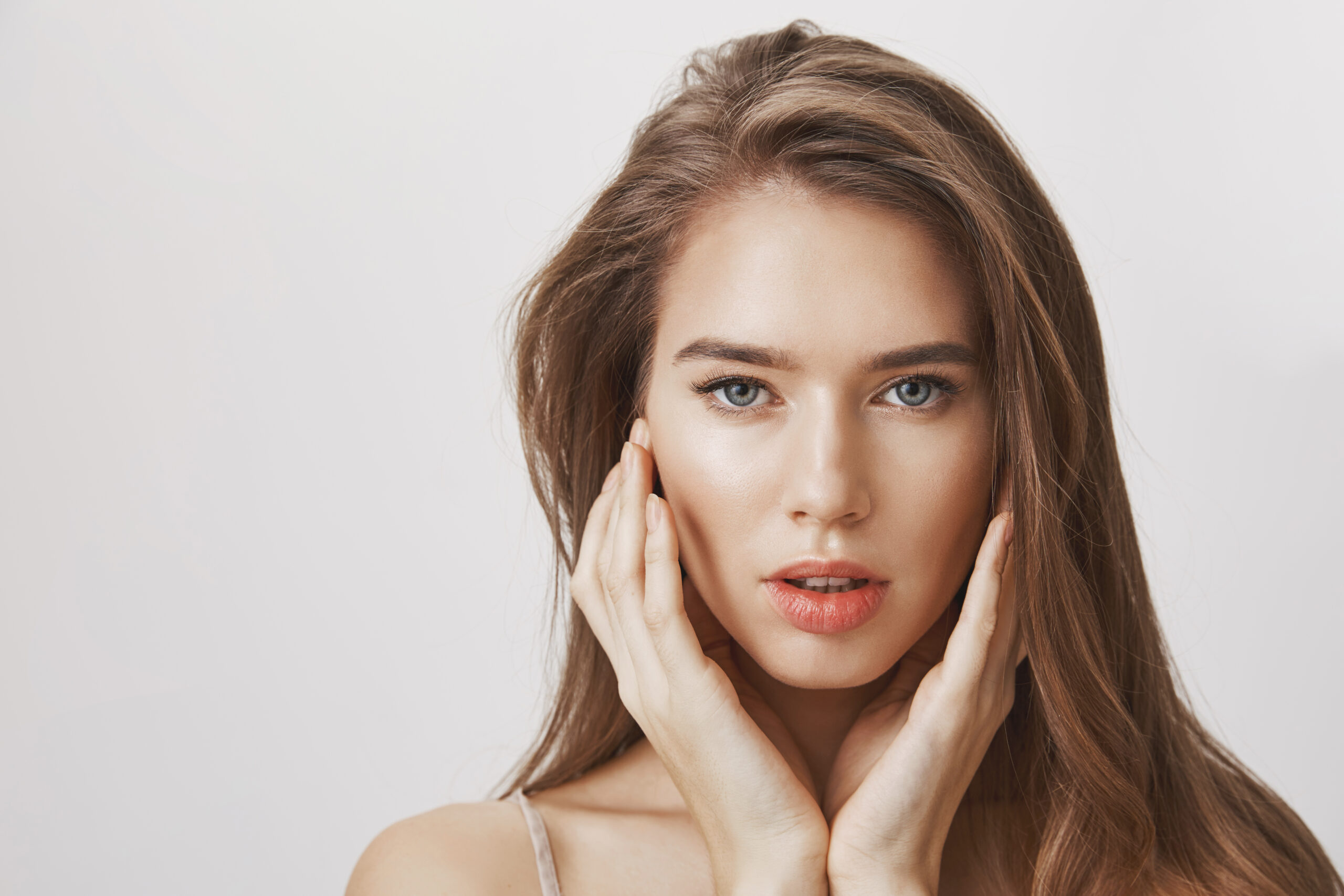
Facelift surgery is widely considered one of the most effective ways to restore youthful facial contours and address visible signs of aging. By lifting and repositioning underlying facial tissues, the procedure can dramatically improve sagging skin, jowls, and deep facial folds.
One of the most common questions prospective patients ask is: How long do facelift results actually last?
While no cosmetic procedure can permanently stop the aging process, modern facelift techniques are designed to provide long-lasting improvements that can endure for many years.
The Longevity of Facelift Results
In general, facelift results last between 10 and 15 years. Some patients enjoy visible improvements for even longer depending on their lifestyle, genetics, and skin quality.
Unlike temporary treatments such as injectables, a facelift addresses the deeper structural layers of the face. By repositioning underlying tissues rather than simply tightening the skin, surgeons can create results that remain stable over time.
Even as natural aging continues, patients who undergo facelift surgery often continue to look younger than they would have without the procedure.
Why Facelifts Last So Long
The longevity of facelift results is largely due to the surgical techniques used.
Modern facelifts focus on lifting the SMAS layer, a structural network of connective tissue that supports the cheeks and jawline. By repositioning this deeper layer, surgeons restore the natural contours of the face.
This structural correction allows the skin to drape smoothly over the newly positioned tissues, creating a more youthful appearance that remains stable for years.
Factors That Influence How Long Results Last
Several factors can influence how long facelift results remain visible.
Age at the Time of Surgery
Patients who undergo surgery earlier in the aging process may enjoy results for a longer period of time. When the skin retains good elasticity, the repositioned tissues can maintain their shape more effectively.
However, patients who have surgery later in life can still experience dramatic improvements that last for many years.
Skin Quality
Skin elasticity plays a major role in the longevity of facelift outcomes. Individuals with thicker, healthier skin often experience longer-lasting results.
Sun exposure, smoking, and environmental damage can gradually reduce skin quality over time, which may influence how the face ages after surgery.
Lifestyle Habits
Healthy lifestyle choices can significantly extend the lifespan of facelift results.
Patients who protect their skin from sun damage, maintain a stable weight, and follow a consistent skincare routine often enjoy longer-lasting rejuvenation.
Smoking, excessive sun exposure, and poor nutrition can accelerate the natural aging process.
Surgical Technique
The technique used by the surgeon also affects how long results last.
Procedures that involve deeper structural lifting typically provide longer-lasting outcomes than techniques that simply tighten the skin.
Experienced surgeons use advanced methods that focus on restoring facial anatomy rather than creating superficial tension.
Will the Face Continue to Age After Surgery?
Yes, the natural aging process continues after a facelift. However, the face begins aging from its new, more youthful position.
This means that even ten years after surgery, most patients still appear younger than they would have without the procedure.
Instead of reversing the aging process entirely, a facelift essentially resets the clock.
Can a Second Facelift Be Performed?
Some patients eventually choose to undergo a second facelift later in life.
This is not always necessary, but it can be an option for individuals who wish to maintain their rejuvenated appearance for decades.
Secondary facelifts are typically less extensive than the original procedure because much of the structural correction has already been performed.
Maintaining Results After Surgery
Although a facelift provides structural rejuvenation, maintaining results often involves a combination of healthy habits and complementary treatments.
Many patients incorporate non-surgical treatments such as skin resurfacing, injectable fillers, or advanced skincare to preserve facial quality over time.
These treatments do not replace the facelift but can enhance and prolong the overall results.
The Psychological Impact of Long-Lasting Results
Beyond the physical improvements, facelift surgery often produces lasting psychological benefits.
Patients frequently report feeling more confident in both personal and professional settings after their appearance better reflects how they feel internally.
Because results last for many years, the procedure can represent a meaningful investment in long-term self-confidence.
Final Thoughts
A facelift does not permanently stop aging, but it provides one of the most durable and effective forms of facial rejuvenation available.
With results that typically last 10 to 15 years, the procedure offers long-term improvement in facial contours and skin laxity. Factors such as lifestyle habits, skin quality, and surgical technique can influence exactly how long those results remain visible.
For individuals seeking lasting facial rejuvenation, a facelift can reset the aging process and restore youthful definition for many years to come.