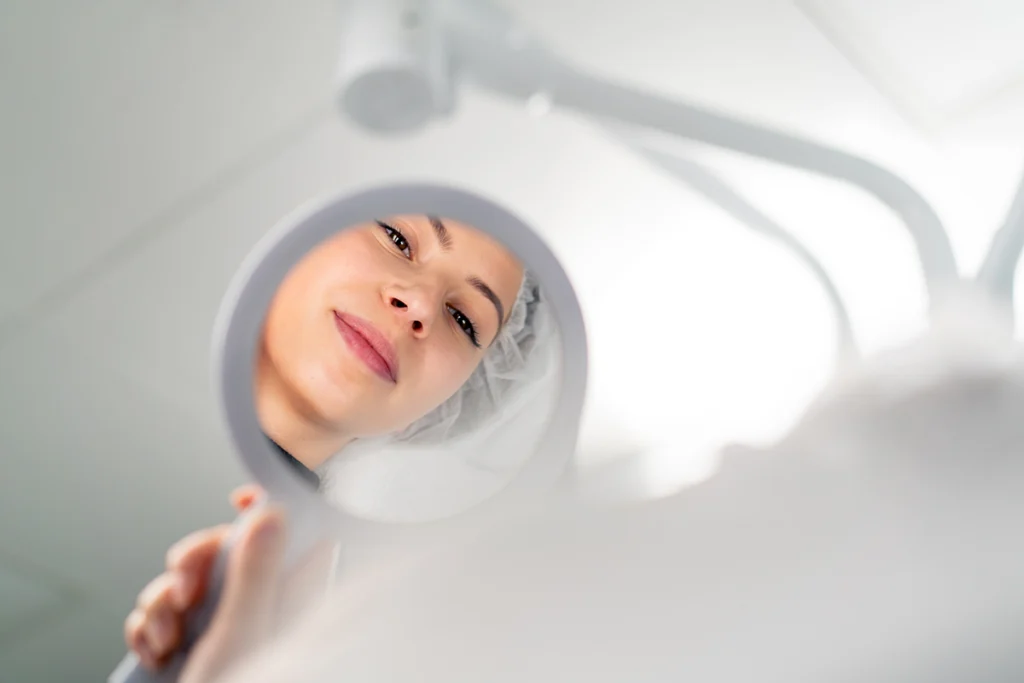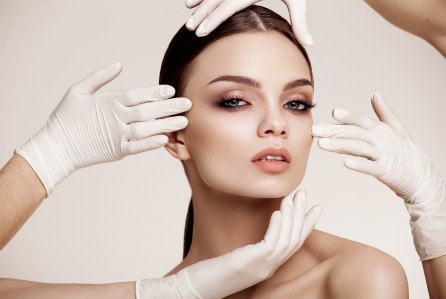
Over the past decade, cosmetic surgery has undergone a quiet but significant transformation. Advances in surgical techniques, changing patient expectations, and a growing emphasis on subtlety have collectively reshaped the way aesthetic procedures are performed.
Today, the highest standard of cosmetic surgery is defined not by dramatic transformation but by refinement, precision, and natural results.
This shift reflects the emergence of a new philosophy within private aesthetic medicine—one that prioritises balance, restraint, and long-term harmony.
The Move Toward Natural Results
In earlier periods of cosmetic surgery, procedures were sometimes designed to create noticeable changes. While these interventions achieved structural alteration, they occasionally produced outcomes that appeared artificial or disproportionate.
Modern aesthetic standards have moved decisively away from this approach.
Today’s leading surgeons focus on enhancing existing features rather than replacing them. The aim is to create results that feel authentic to the patient’s identity while subtly restoring youthful structure or improving proportion.
When performed successfully, the result is often indistinguishable from natural ageing patterns.
Patients frequently describe this outcome simply as looking refreshed.
Precision in Surgical Technique
Achieving subtle results requires a high level of technical precision.
Surgeons must work carefully with delicate anatomical structures, particularly in procedures involving the face. Small adjustments can significantly influence the overall appearance, and careful planning is essential to ensure harmony between different features.
Techniques such as deep structural facelifts, advanced rhinoplasty methods, and refined body contouring procedures allow surgeons to reposition tissues rather than simply tightening or removing them.
This approach preserves natural expression and avoids the overly altered appearance that can occur when tissues are manipulated aggressively.
Individualised Surgical Planning
Another hallmark of modern cosmetic surgery is the emphasis on individualised treatment planning.
Rather than applying a standardised approach, experienced surgeons carefully evaluate each patient’s anatomy, skin quality, and aesthetic goals before recommending a procedure.
This process often involves detailed facial analysis and discussions about long-term expectations. Patients may also be presented with multiple treatment options, allowing them to make informed decisions about the approach that best suits their preferences.
The consultation process has therefore become more collaborative, with surgeon and patient working together to design a treatment plan that aligns with both aesthetic vision and medical practicality.
The Integration of Surgical and Non-Surgical Treatments
Contemporary aesthetic medicine increasingly combines surgical procedures with advanced non-surgical treatments.
Injectable therapies, regenerative medicine, and skin rejuvenation technologies can complement surgical outcomes, improving skin quality and maintaining results over time.
This integrated approach reflects a broader shift toward comprehensive aesthetic care. Rather than focusing solely on individual procedures, surgeons now consider the patient’s overall facial or body harmony.
Such strategies allow results to evolve naturally and maintain balance as the patient ages.
Discretion and Patient Experience
Modern cosmetic surgery also places greater emphasis on patient experience.
Private clinics frequently provide highly personalised care, with discreet consultation environments, attentive staff, and carefully structured recovery programmes.
For many patients, this level of service is as important as the surgical result itself.
A calm, supportive environment allows individuals to approach surgery with confidence and ensures that the entire process—from consultation to recovery—is handled with professionalism and sensitivity.
A Philosophy of Refinement
The emerging standard of excellence in cosmetic surgery reflects a broader cultural shift.
Patients today are less interested in transformation and more focused on refinement. They seek outcomes that preserve their identity while enhancing their appearance in subtle, elegant ways.
For surgeons, this philosophy requires a balance of technical mastery, aesthetic judgement, and restraint.
When these elements are combined, cosmetic surgery can achieve results that appear entirely natural—enhancements that feel effortless rather than engineered.
It is this commitment to refinement that now defines the highest level of aesthetic practice in private cosmetic surgery.