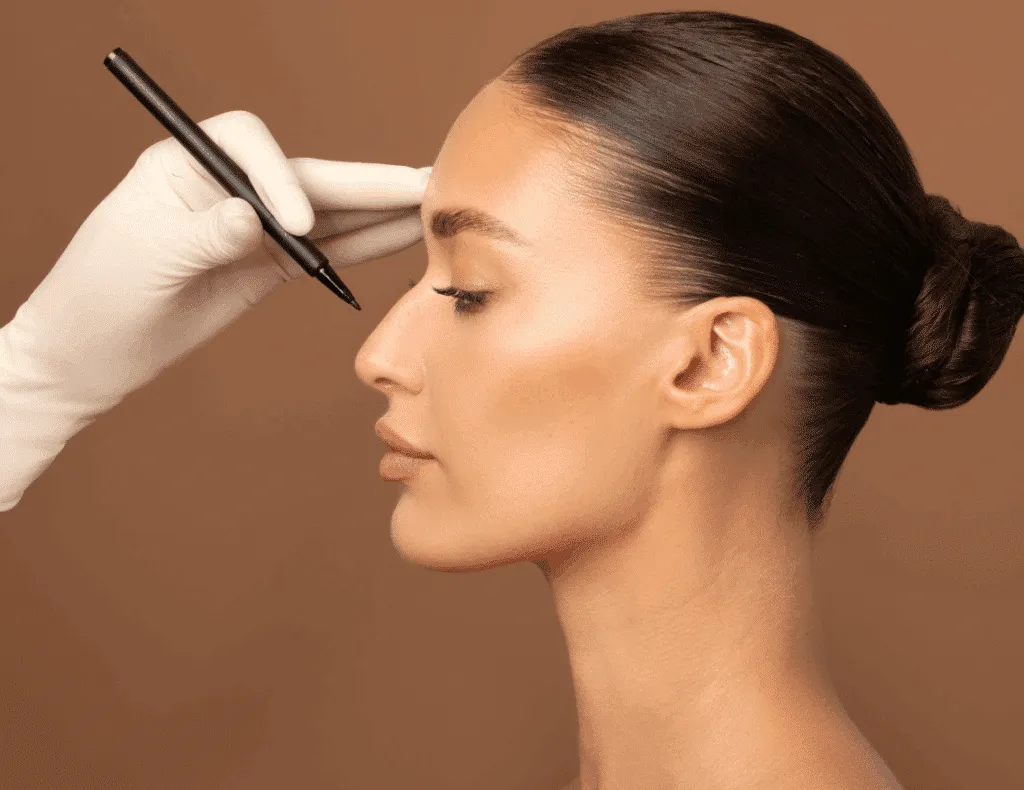
Cosmetic surgery has advanced significantly over the past several decades. Modern techniques, improved technology, and greater public awareness have made aesthetic procedures more accessible and widely accepted than ever before. Yet within this growing field, there remains a meaningful distinction between surgery that is simply good and surgery that can be described as exceptional.
For patients seeking the highest standards of aesthetic care, understanding this difference is critical. While many surgeons are capable of producing satisfactory outcomes, exceptional cosmetic surgery requires a deeper level of expertise, judgment, and attention to detail.
Technical Competence vs Surgical Mastery
At its most fundamental level, good cosmetic surgery involves technical competence. A qualified surgeon can perform procedures safely, follow established surgical methods, and produce improvements that meet basic expectations.
However, exceptional surgery goes beyond technical execution. It reflects mastery of anatomy, refined surgical judgment, and the ability to consistently produce balanced, natural results.
Exceptional surgeons approach each procedure with a level of precision developed through years of experience and specialization. They understand not only how to perform an operation but also when to modify techniques to suit the patient’s unique anatomy.
This distinction becomes particularly important in procedures where small variations can significantly influence the final outcome.
The Role of Surgical Planning
Another major difference between good and exceptional cosmetic surgery lies in the planning process.
Good surgeons perform careful evaluations before surgery. Exceptional surgeons approach planning with extraordinary attention to detail, often spending considerable time analyzing facial or body proportions before making any surgical decisions.
They consider factors such as:
- structural anatomy
- skin quality
- tissue thickness
- aging patterns
- long-term aesthetic balance
Rather than focusing solely on the area being treated, exceptional surgeons evaluate how each adjustment will influence the overall harmony of the face or body.
This comprehensive planning often leads to results that appear subtle yet transformative.
Consistency of Results
One of the clearest indicators of exceptional surgical practice is consistency.
While many surgeons can achieve strong results in individual cases, the most respected practitioners maintain a reliable standard of excellence across hundreds or even thousands of procedures.
Consistency requires discipline, careful patient selection, and an unwavering commitment to surgical precision. Exceptional surgeons approach every case with the same level of preparation and attention, regardless of complexity.
This reliability is one reason why experienced patients and referring physicians often seek out surgeons with established reputations for dependable outcomes.
Natural Aesthetic Judgment
Technical skill alone is not enough to achieve exceptional cosmetic results. Aesthetic judgment plays an equally important role.
Exceptional surgeons possess a refined understanding of proportion, symmetry, and facial harmony. They recognize that beauty is rarely defined by perfection in individual features but by the balance between those features.
As a result, their approach often emphasizes subtle enhancement rather than dramatic alteration.
For example, in rhinoplasty, the goal is not simply to reduce the size of the nose but to ensure that the nose complements the chin, jawline, and overall facial structure.
In facial rejuvenation procedures, exceptional surgeons focus on restoring youthful contours while preserving natural expression and identity.
These principles require restraint and careful decision-making, qualities that distinguish sophisticated aesthetic work from more obvious surgical outcomes.
Patient-Centered Decision Making
Another hallmark of exceptional cosmetic surgery is a patient-centered approach to decision making.
During consultations, experienced surgeons spend time understanding the patient’s goals, concerns, and motivations. They explain both the benefits and limitations of potential procedures, ensuring that expectations remain realistic.
In some cases, the most responsible recommendation may be to postpone surgery or suggest an alternative treatment.
This level of honesty demonstrates a commitment to patient well-being rather than procedural volume.
Patients who receive thoughtful guidance during the consultation process are far more likely to achieve satisfying results.
Attention to Detail in the Operating Room
Exceptional cosmetic surgery often comes down to meticulous attention to detail during the procedure itself.
Incision placement, tissue handling, symmetry adjustments, and closure techniques all influence the final outcome. Even small refinements can determine whether a result appears natural or artificial.
Highly experienced surgeons maintain a disciplined focus throughout the procedure, ensuring that every step contributes to a balanced and refined final result.
This level of precision is often invisible to the patient but becomes evident in the quality of the outcome.
Comprehensive Post-Operative Care
Surgical excellence does not end when the procedure is complete. Recovery and post-operative management play a significant role in the final result.
Exceptional surgeons provide structured follow-up care, monitoring healing closely and offering guidance throughout the recovery process.
This support helps minimize complications while ensuring that the surgical results develop as intended.
Patients who receive attentive aftercare often experience smoother recoveries and more predictable outcomes.
Long-Term Aesthetic Perspective
Perhaps the most important difference between good and exceptional cosmetic surgery is the surgeon’s long-term perspective.
Rather than focusing solely on immediate improvement, exceptional surgeons consider how surgical changes will age over time. They plan procedures in ways that preserve natural structure and allow the face or body to evolve gracefully.
This philosophy helps prevent the exaggerated or artificial results that can occur when procedures are performed without regard for long-term balance.
Patients who undergo thoughtfully planned procedures often find that their results remain harmonious for many years.
Defining True Excellence
Exceptional cosmetic surgery represents the intersection of technical mastery, aesthetic judgment, and patient-centered care.
Surgeons who consistently achieve this level of excellence combine extensive training, specialized experience, and a commitment to continuous refinement of their craft.
For patients seeking refined and natural outcomes, identifying surgeons who embody these qualities can make a profound difference in both the surgical experience and the final result.
In a field where subtle details define success, exceptional cosmetic surgery is ultimately defined by balance, precision, and a deep understanding of human aesthetics.