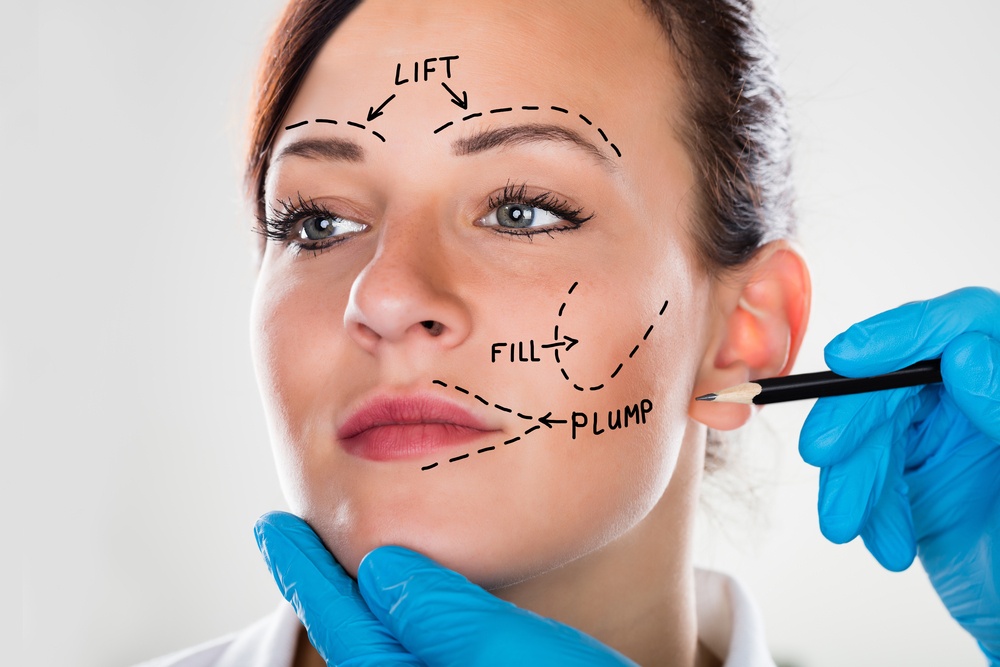
Facelift surgery has evolved into one of the most sophisticated procedures in modern aesthetic medicine. No longer associated with overly tight or artificial results, today’s techniques focus on restoring natural facial structure, subtle definition, and long-term rejuvenation.
For patients considering a facelift, the decision goes far beyond appearance. It is about precision, anatomical understanding, and selecting a surgeon capable of delivering results that are both refined and undetectable.
This guide explores everything you need to know—from surgical techniques to recovery timelines—so you can make an informed, confident decision.
What Is a Facelift?
A facelift, or rhytidectomy, is a surgical procedure designed to reposition and tighten the deeper structures of the face while removing excess skin.
The goal is not to change how you look—but to restore how you once looked.
A well-executed facelift can:
- Redefine the jawline
- Lift sagging cheeks
- Reduce deep folds around the mouth
- Improve overall facial harmony
Modern facelifts focus on lifting underlying tissues rather than simply tightening the skin, which is what creates natural, long-lasting results.
Understanding Facelift Techniques
Not all facelifts are the same. The technique used will significantly influence your outcome.
SMAS Facelift
The SMAS (Superficial Musculoaponeurotic System) facelift is one of the most widely performed techniques.
It targets the deeper structural layer beneath the skin, allowing surgeons to reposition facial tissues more effectively.
Key benefits:
- Natural-looking results
- Long-lasting improvement (typically 8–12 years)
- Suitable for moderate ageing
Deep Plane Facelift
The deep plane facelift is considered one of the most advanced techniques available.
Rather than separating the skin from underlying tissue, this method lifts deeper facial structures as a single unit.
Why it stands out:
- Superior mid-face rejuvenation
- More natural facial movement
- Reduced tension on the skin
This technique is often performed by elite, highly specialised surgeons due to its complexity.
Mini Facelift
A mini facelift is a less invasive option designed for patients with early signs of ageing.
Best for:
- Mild skin laxity
- Younger patients
- Subtle refinement rather than dramatic change
Recovery is typically faster, but results are less extensive.
Neck Lift (Often Combined)
A facelift is frequently combined with a neck lift to address:
- Loose skin under the chin
- Banding in the neck
- Loss of definition in the jawline
Combining procedures creates a more balanced and cohesive result.
How Much Does a Facelift Cost in 2026?
Facelift pricing varies widely depending on the surgeon’s experience, technique, and location.
Typical price ranges:
- United States: $15,000 – $50,000+
- United Kingdom: £10,000 – £25,000
- Europe: €12,000 – €30,000
Highly sought-after surgeons—particularly those specialising in advanced techniques—often charge significantly more.
This is not an area where choosing the cheapest option leads to the best outcome.
Recovery Timeline: What to Expect
Recovery is a critical part of the facelift journey and directly impacts your final result.
Week 1–2
- Swelling and bruising are most noticeable
- Limited activity
- Stitches may be removed
Week 3–4
- Significant improvement in appearance
- Return to most daily activities
- Residual swelling remains
Months 2–3
- Facial contours become more refined
- Results begin to look more natural
6 Months
- Final results are typically visible
- Scars continue to mature and fade
Patience during recovery is essential—rushing the process can compromise results.
Risks and Considerations
While facelift surgery is generally safe in experienced hands, it is still a surgical procedure.
Potential risks include:
- Infection
- Scarring
- Nerve injury (rare but significant)
- Asymmetry
- Unsatisfactory results
The single most important factor in reducing risk is choosing the right surgeon.
Choosing the Right Facelift Surgeon
This is the most important decision you will make.
A technically correct procedure performed by the wrong surgeon can still produce poor results.
Patients should look for:
- Board certification in plastic or facial plastic surgery
- Extensive experience with facelift procedures
- A consistent portfolio of natural-looking results
- A clear and conservative aesthetic approach
Surgeons such as Steven Pearlman are known for delivering refined outcomes that prioritise subtlety over obvious transformation.
Take time to review multiple consultations before making a decision.
Where Are the Best Places to Have a Facelift?
Certain cities have become global centres for aesthetic excellence due to the concentration of elite surgeons.
These include:
- Beverly Hills
- New York City
- Miami
- London
These locations attract highly experienced specialists and patients seeking premium results.
Facelift vs Non-Surgical Treatments
Non-surgical treatments such as dermal fillers and anti-wrinkle injections can provide temporary improvements.
They are best suited for:
- Early signs of ageing
- Maintenance between procedures
- Patients not ready for surgery
However, they cannot replicate the structural changes achieved with a facelift.
For moderate to advanced ageing, surgery remains the most effective solution.
How Long Does a Facelift Last?
A well-performed facelift typically lasts:
- 8–12 years for most patients
However, ageing continues naturally over time. The goal is not to stop ageing—but to reset the clock.
Lifestyle factors such as:
- Skincare
- Sun exposure
- Diet
- Smoking
will all influence how long results are maintained.
Final Thoughts
Facelift surgery is one of the most powerful tools in aesthetic medicine—but it is also one of the most technique-dependent.
The difference between an average result and an exceptional one comes down to:
- Surgical expertise
- Technique selection
- Attention to detail
For patients seeking natural, long-lasting rejuvenation, careful research and surgeon selection are essential.
A well-executed facelift should never look like surgery—it should simply look like you, at your best.